Learn
Suspension data acquisition, explained by the people who build the hardware. Each guide answers one question with measurements from real runs, real screenshots of the software, and figures taken from the products rather than from a brochure. No guide states a number nobody recorded.
Browse
6 guides · Clear filters
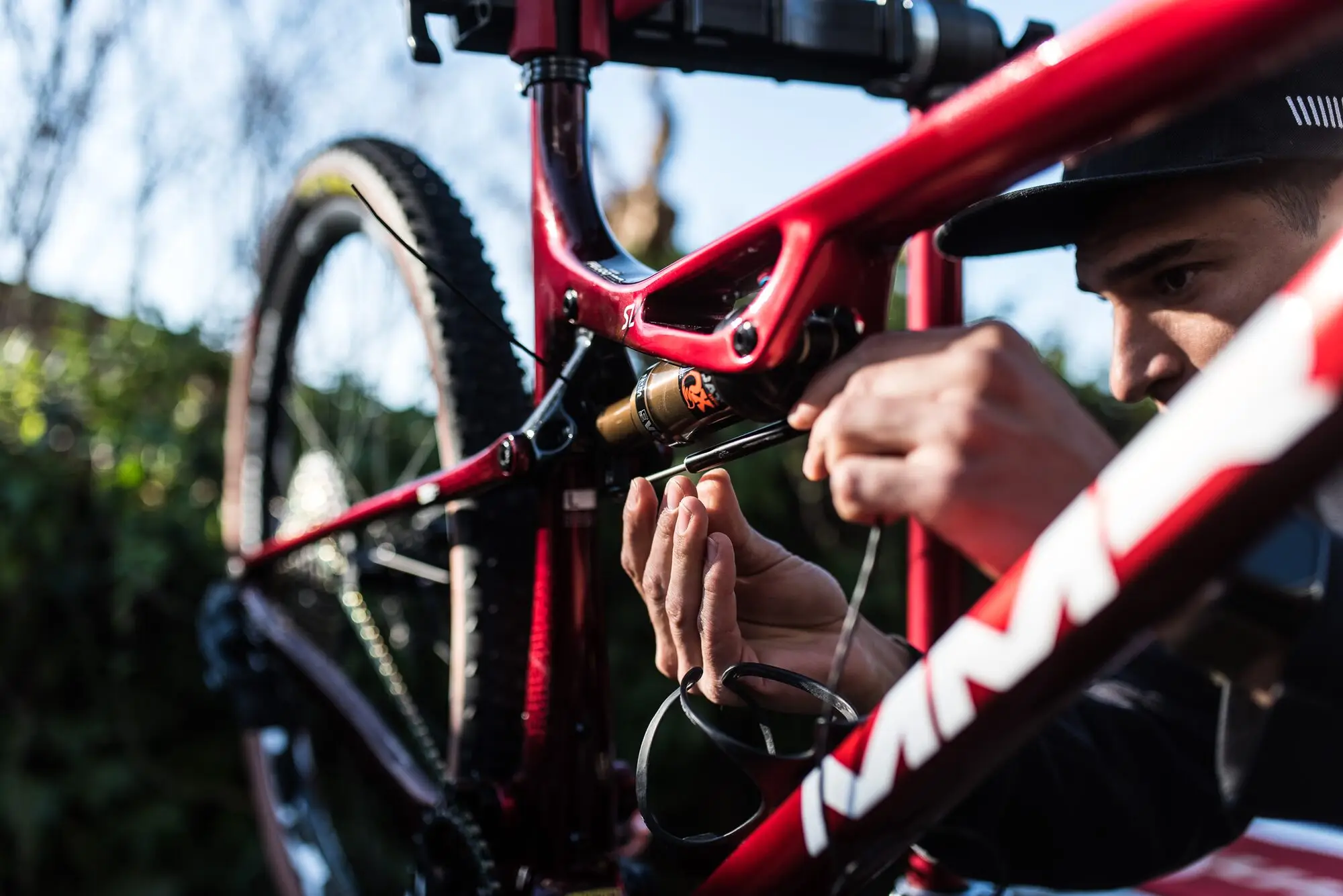
How to set up mountain bike suspension
Set up mountain bike suspension in order: sag, rebound, then compression. Sag from 15% to 30%, RockShox step sizes, and how a recorded run proves a change.
Setup4 min read
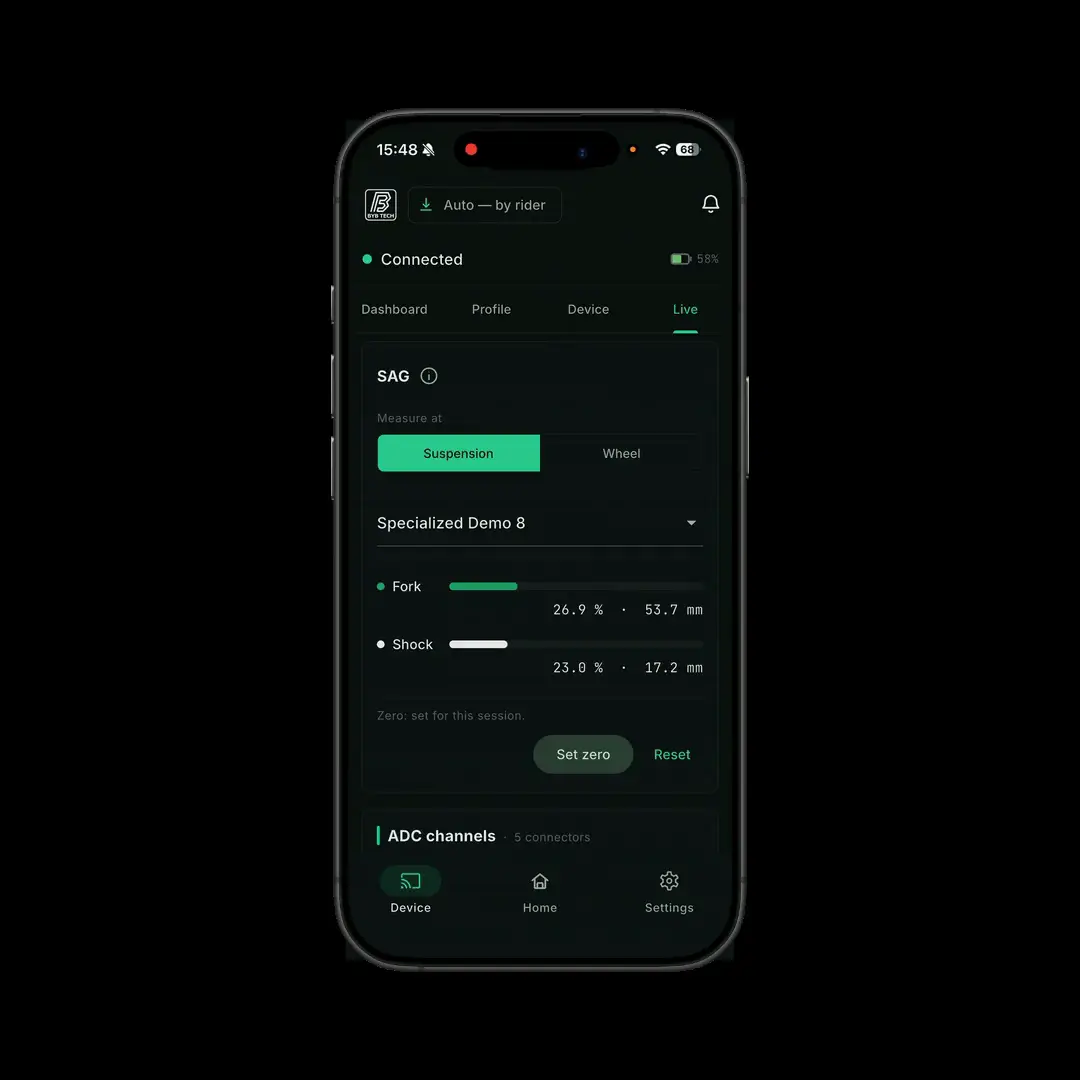
How to measure sag on a mountain bike
Measure mountain bike sag with an o-ring or a live sensor, read dynamic sag from a recorded run, and set fork and rear sag between 15% and 30% by discipline.
Setup4 min read
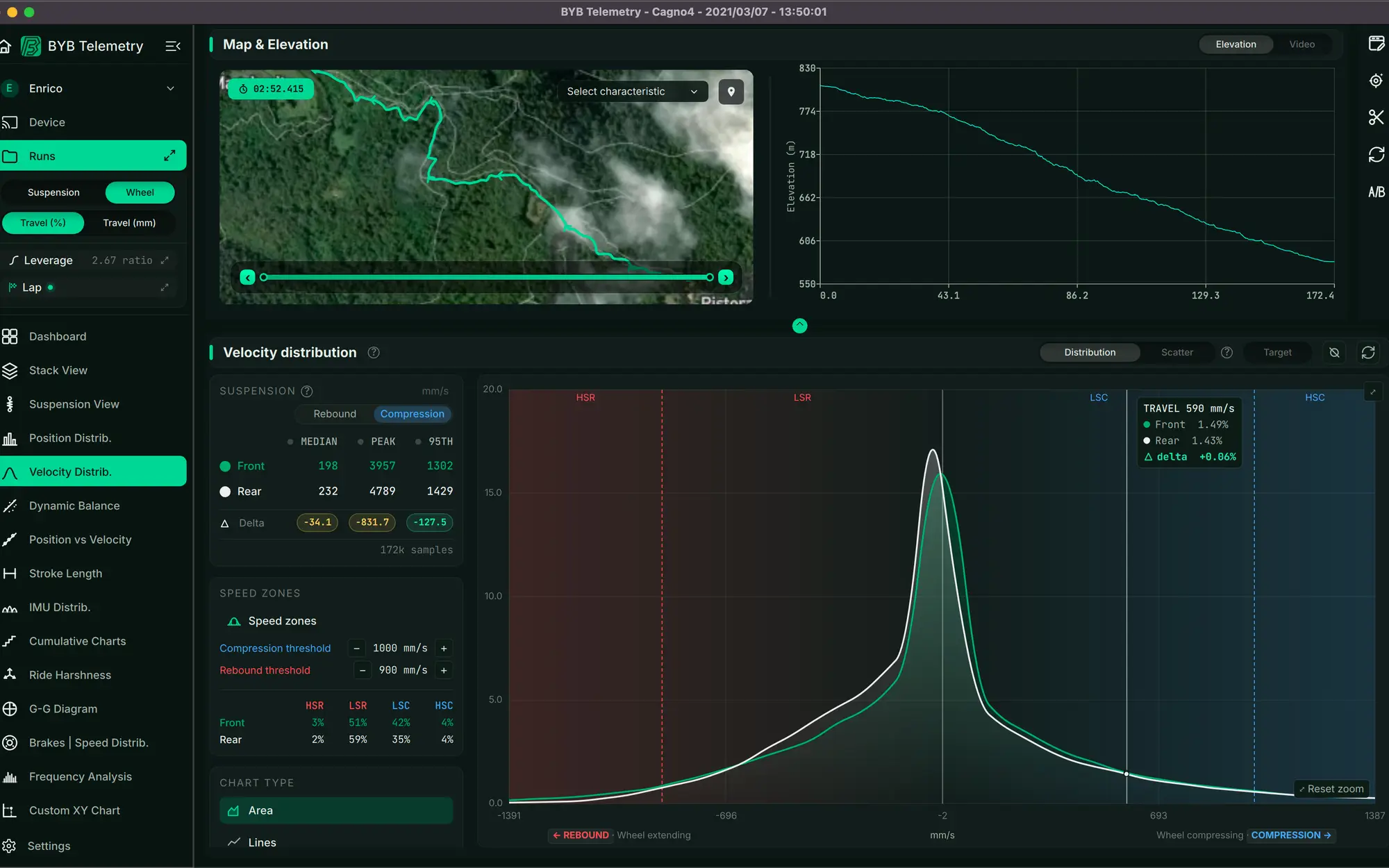
Compression and rebound: high and low speed
High and low speed compression and rebound explained: what each damping circuit controls, how many clicks to change, and how shaft speed data shows the effect.
Setup3 min read
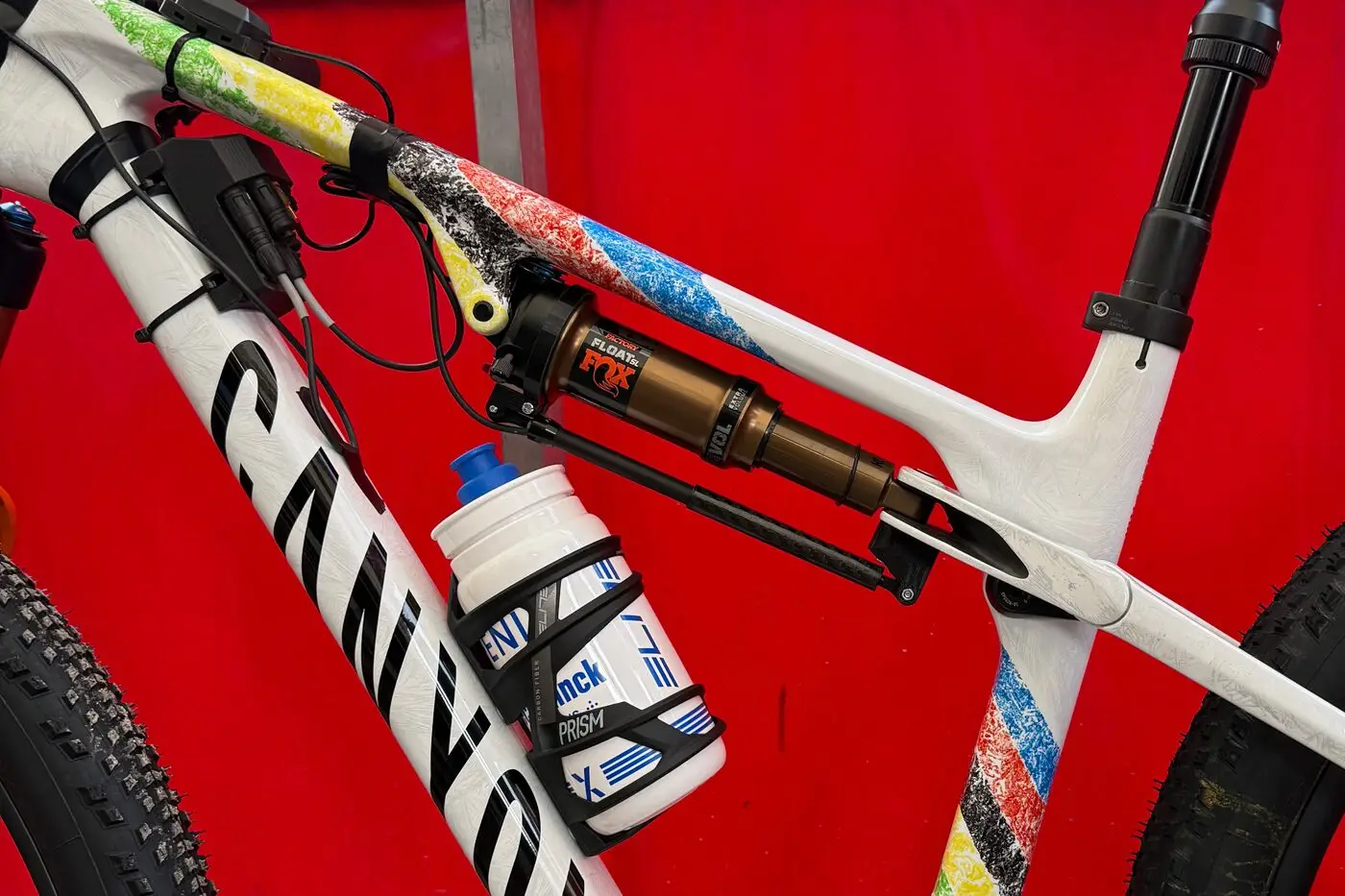
Hardtail vs full suspension: setup differences
Hardtail vs full suspension setup: one fork against a fork, a rear shock and the balance between them, with sag ranges, leverage ratio and travel by discipline.
Setup2 min read
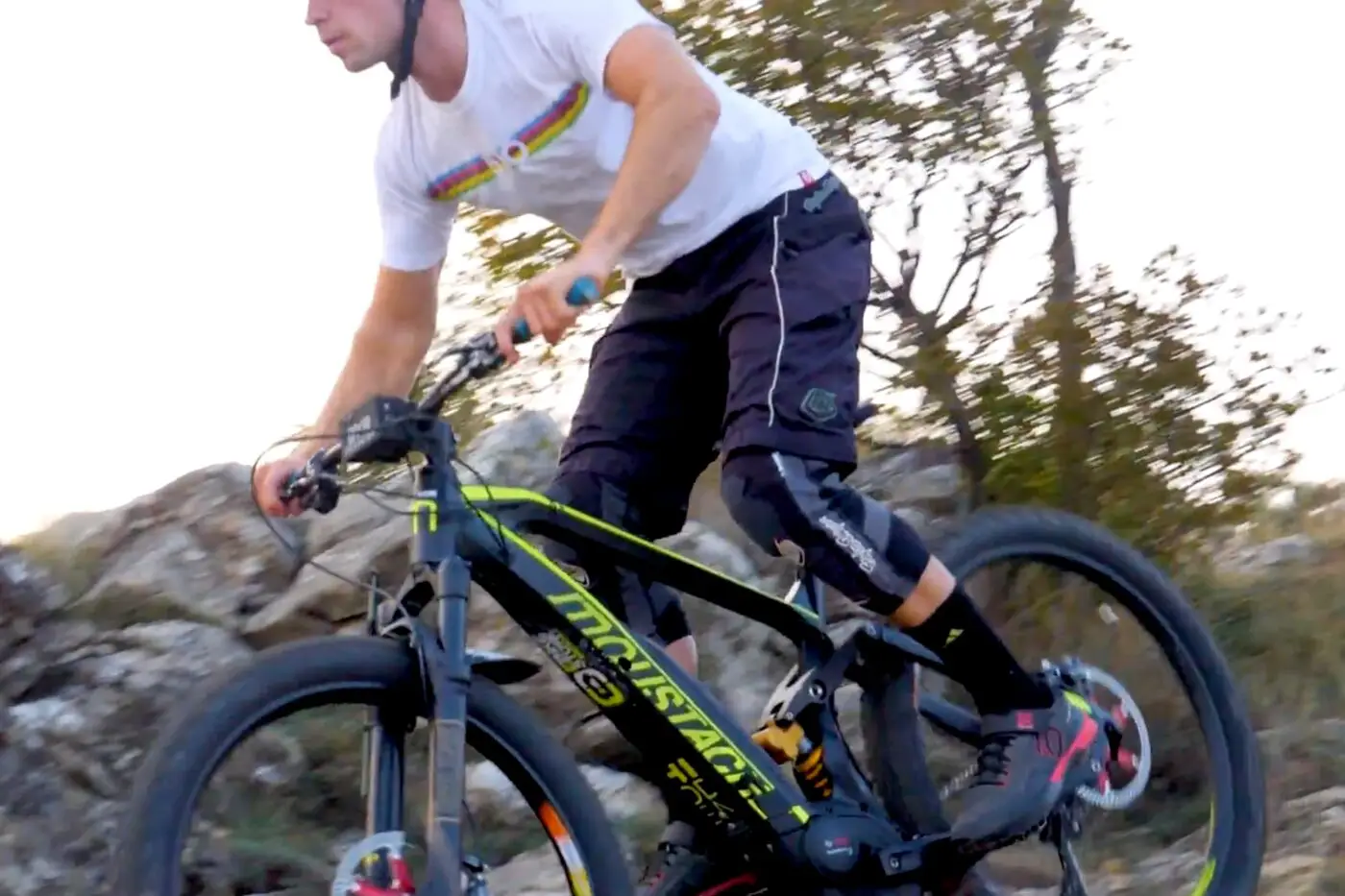
How to set up e-MTB suspension
How to set up e-MTB suspension: the same order as any mountain bike, pressures from the e-bike's own chart, and 20% fork and 30–35% shock sag in one example.
Setup2 min read
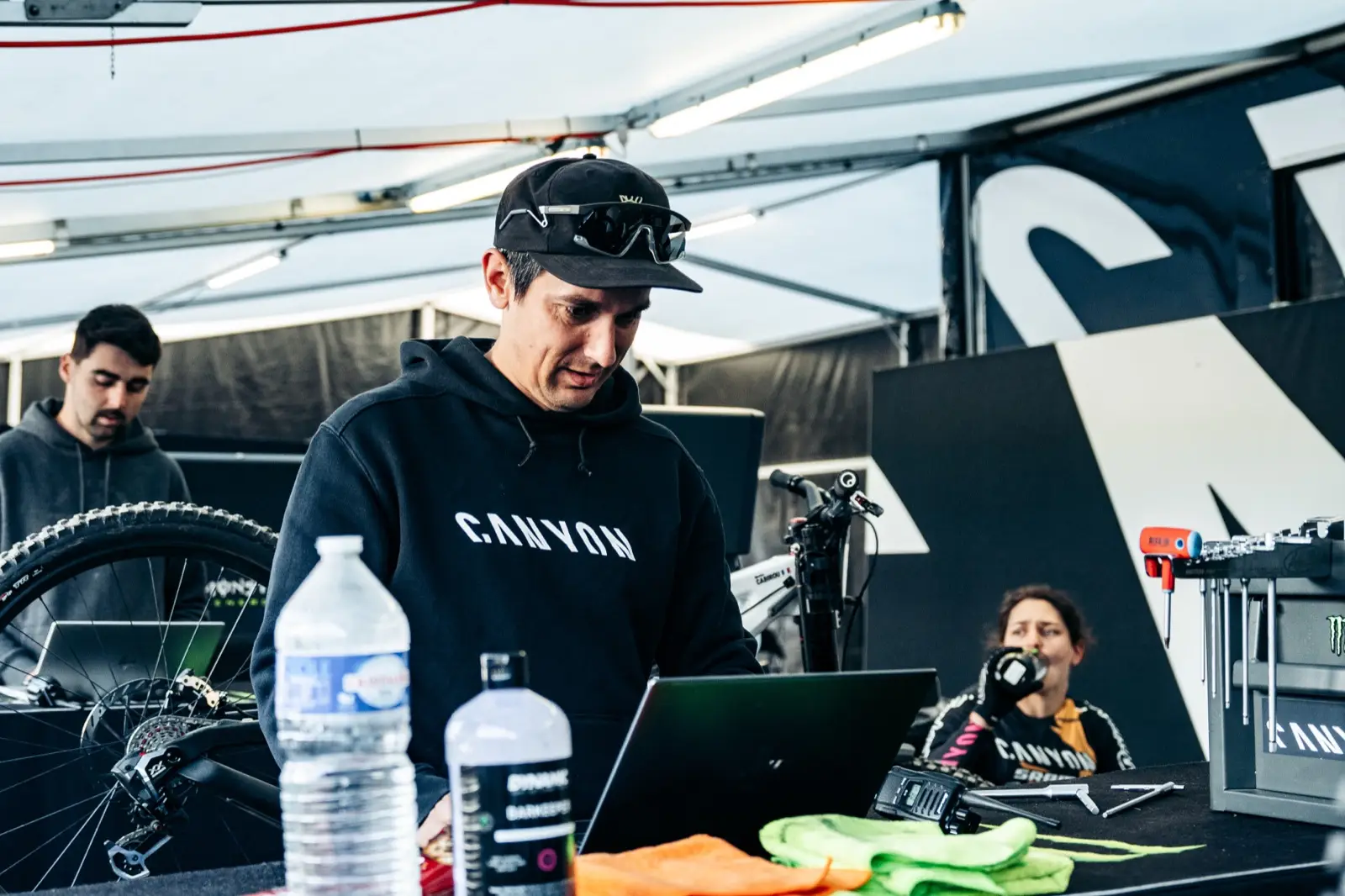
Suspension tuning with data at a BYB Point
What a suspension tuning session with data includes at a BYB Point: sensors on fork and shock, runs recorded 1000 times a second, one change at a time.
Setup3 min read
Video tutorials
Training course
3 chapters play free, without an account.