How many lumens does a bike light need?
How many lumens a bike light needs depends on whether it has to let you see or let you be seen. Focus's 800-lumen low beam lights a dark road 80 m ahead, while its 5000-lumen front beacon is a flash visible from 2000 m. Beam shape decides how much of that light is useful.
Published
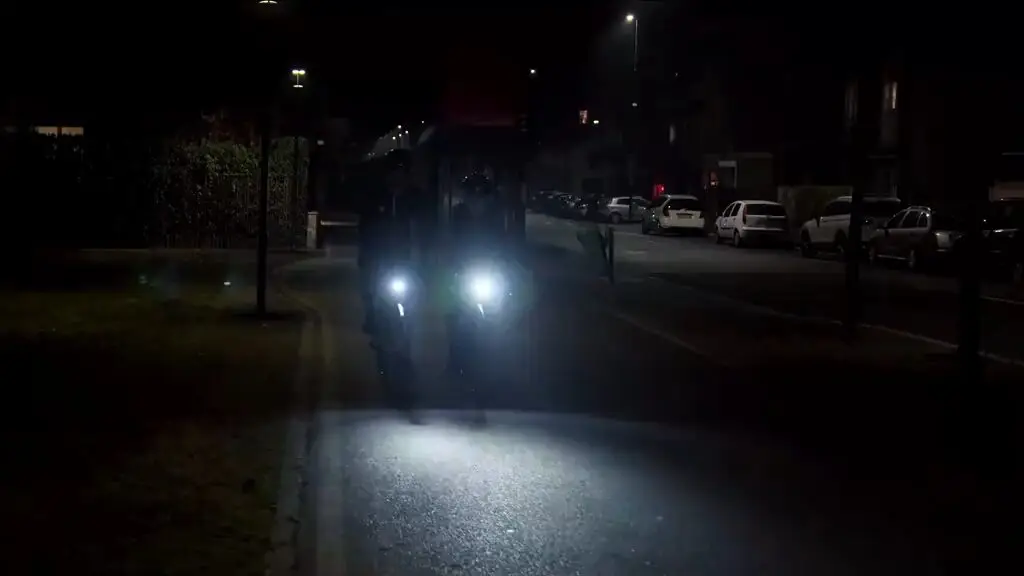
Lumens, throw and visibility: what the numbers mean
- Lumen
- The total light a lamp emits, in every direction. It says how much light leaves the lens, not where it lands.
- Throw
- How far ahead the beam usefully lights the road. Focus quotes it for one mode only, its low beam: 80 m.
- Visibility distance
- How far away other road users can see the light. Focus's 2000 m for its beacon and high beam is this measure, not throw.
Lumens to see at night versus lumens to be seen
| Mode | Output | Distance | Runtime |
|---|---|---|---|
| Low beam, night only | 800 lm | Lights 80 m ahead | 6+ hours |
| Front beacon | 5000 lm | Seen at 2000 m | 20+ hours |
| High beam | 500 to 5000 lm | Seen at 2000 m | — |
| Rear red | 300 lm | Seen at 500 m | 20+ hours |
The same lamp uses 800 lm to light a road at night and 5000 lm to be noticed from 2 km. Seeing is a beam problem: the light has to land on the road ahead. Being seen is an output problem: the flash has to stand out against everything else in view.
Why beam shape matters as much as lumens
A round beam sends light up into oncoming eyes as well as down onto the road. A cut-off beam stops at a horizontal line, so its light stays on the road where the rider needs it.
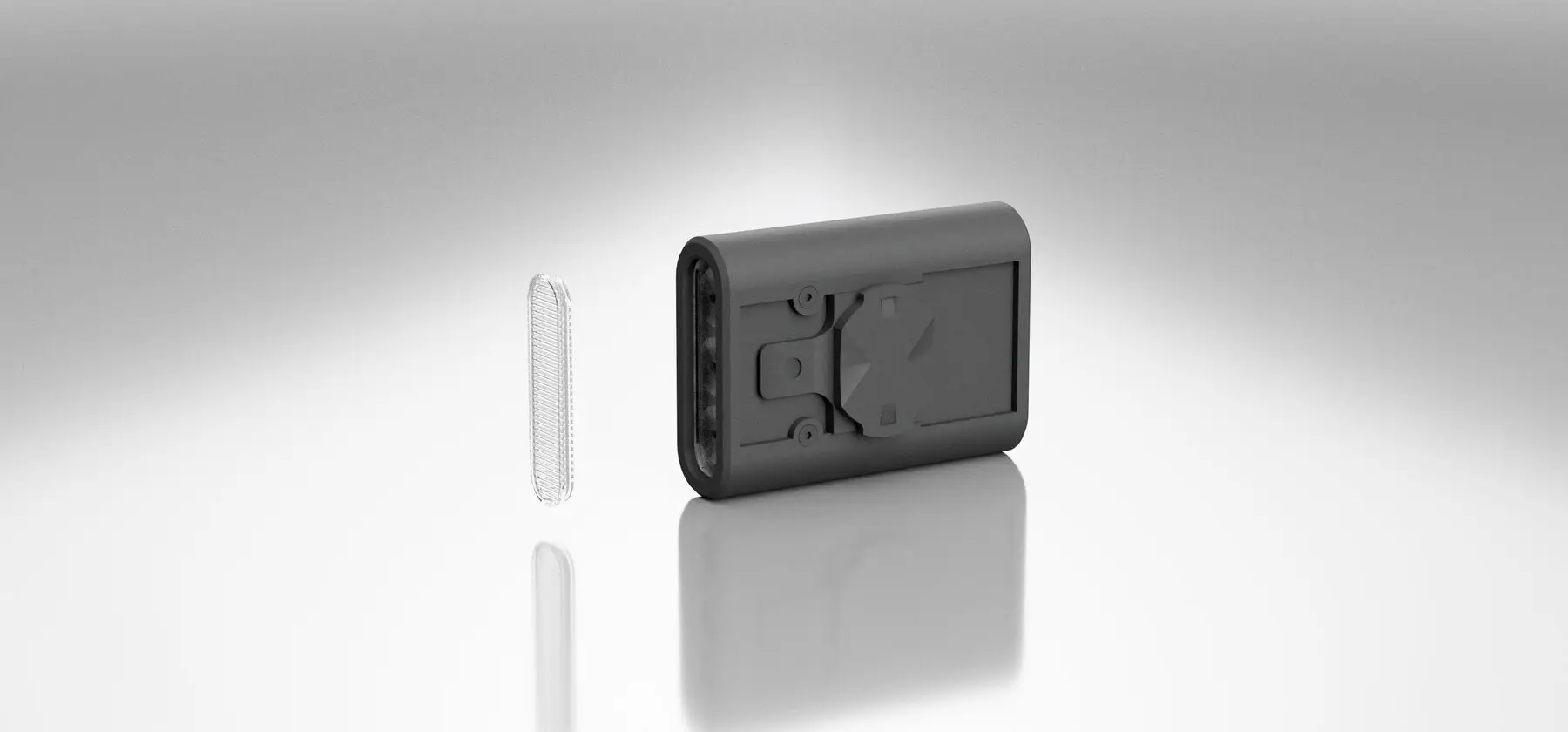
The lens takes its name from StVZO, the German regulation for road vehicles. Focus describes the lens and its cut-off; it does not claim German type approval.
What else decides whether a light works on a ride
- Weight: 55 g for a 5000 lm light
- Charging: USB-C, 80% in 15 minutes and full in 20
- Sensors: 4, reading tilt, ambient light, movement and temperature
- Mounts: a GoPro mount and a Garmin-style quarter-turn mount, both in the box
- Operating temperature: −20 °C to +50 °C
Focus is designed for road riding and also fits a mountain bike. Off-road, being seen by traffic matters less than on the road, so the low beam's 80 m of light on the ground is the figure to compare.
Common questions
- How many lumens do I need to be seen in daylight?
- Enough to stand out as a flash: Focus's front beacon runs at 5000 lm and is visible from 2000 m. Visibility distance is a different measure from throw, so compare like with like.
- How many lumens do I need to see at night?
- Fewer than to be seen in daylight, if the beam is shaped. Focus's night low beam is 800 lm and lights the road 80 m ahead.
- Is a 5000 lumen bike light too bright?
- It depends on the mode. Focus uses 5000 lm for being seen, in its front beacon and high-beam flash, and 800 lm for its night low beam, which lights 80 m ahead.
- Can Focus be used on a mountain bike?
- Yes. Focus is designed for road riding and also fits a mountain bike, with a GoPro mount and a Garmin-style quarter-turn mount in the box.